
Dry Skin
Many Vitalis Luxe Spa clients struggle with this before beginning regular facials with us. In New England, dry patches and irritation are common in both the hot, humid summer and the cold, dehydrating winter months. Our deeply hydrating facials and advanced treatment options are designed to quickly replenish moisture, restore balance, and leave your skin looking refreshed, supple, and beautifully revitalized year-round.
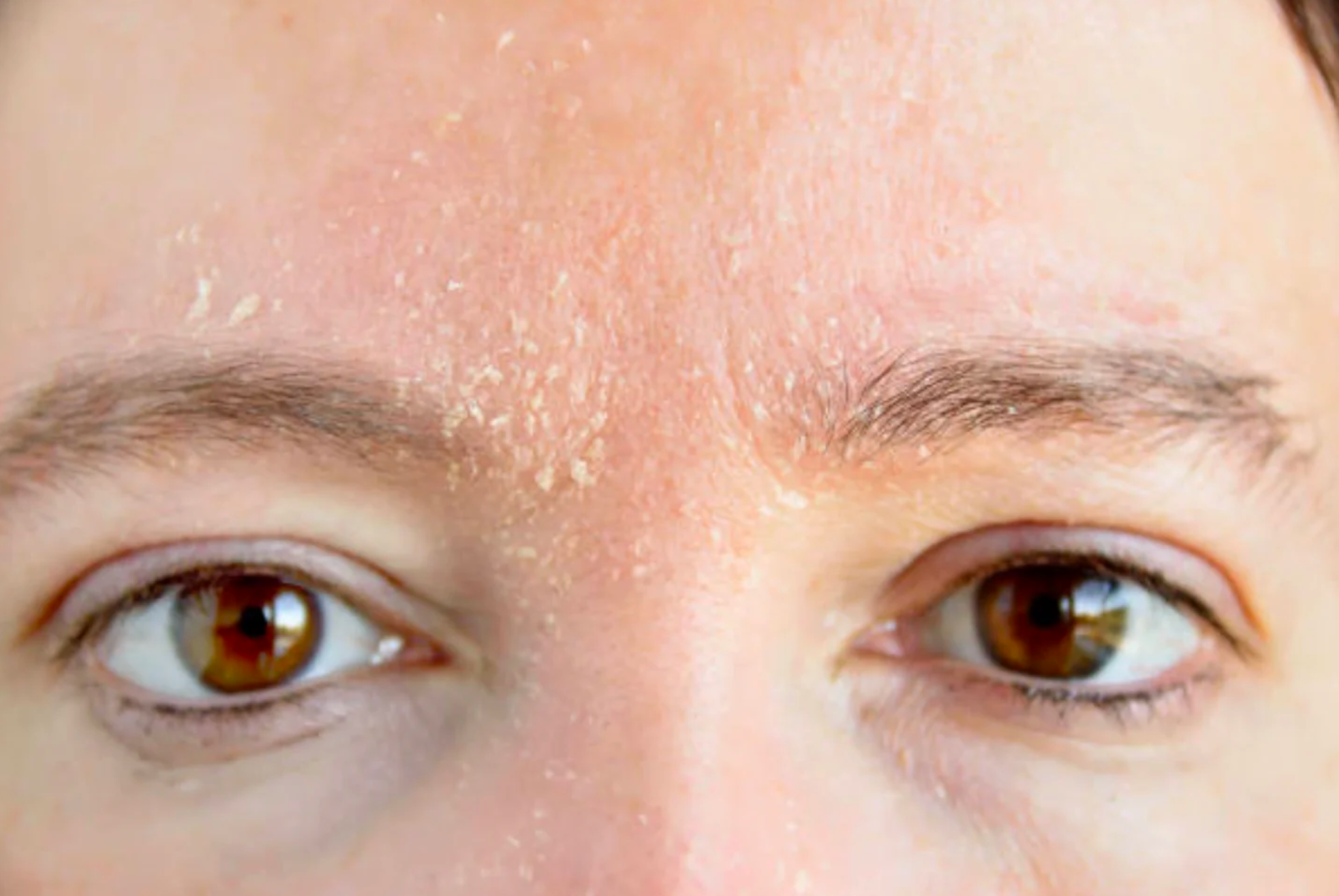
What Causes Dry Skin?
Dry skin isn’t just a once-in-a-while concern. It can be linked to genetics, climate (hello, New England winters), aging, over-cleansing, harsh products, and an imbalanced skincare routine. The good news: with the right habits and professional support, you can significantly reduce dryness and improve your skin’s comfort and appearance.
Moisturizing Properly
Moisturizer plays a key role in managing dry skin, but both too little and too much can be a problem. As a general guideline, most people do well moisturizing twice a day: morning and night.
This gives you flexibility to:
Apply a bit more on especially cold, windy, or hot, dry days
Scale back to once a day if your skin feels particularly balanced and comfortable
Staying consistent with this routine, and choosing a moisturizer suited to your skin type, is one of the most effective ways to keep dryness, flaking, and tightness under control.
-
Moisturizing is one of the most important steps in preventing and treating dry skin, and both skipping moisturizer and overdoing it can disrupt your skin’s natural barrier. For most people, applying moisturizer twice a day, morning and evening, is a great baseline, with room to add a light extra layer on especially cold, windy, or hot, dry days, or to cut back to once a day if your skin feels comfortably balanced and not tight or flaky. Staying consistent with this routine, and choosing a moisturizer that suits your skin type, helps keep dryness, tightness, and flaking under control while supporting a healthy, resilient skin barrier.
-
Sleep habits can have a big impact on your skin. Sleeping in uncomfortable, overly warm conditions can cause excess sweating, and being wrapped tightly in sheets traps that sweat against your skin, which may lead to irritation and dryness. To help protect your skin overnight, aim for a cool, comfortable sleep environment, choose breathable bedding, and consider adding a humidifier to your bedroom. A humidifier helps balance the air’s moisture level, keeping you more comfortable and supporting hydrated, healthier-looking skin while you rest.
-
While it may seem counterintuitive, frequent showering, long hot baths, and water sports can actually make it harder for your skin to stay hydrated. Prolonged exposure to hot water and chlorinated or saltwater can strip away your skin’s natural oils, weakening the moisture barrier and leaving your skin feeling tight, dry, and more easily irritated.
-
It’s also important to pay close attention to the skincare products you use and the key ingredients they contain, as some formulas can contribute to dryness and irritation. Once you find a cleanser and moisturizer that work well for your skin, compare their ingredient lists to products that caused issues in the past so you can better understand what your skin likes and dislikes. To support a healthy moisture barrier, look for emollient ingredients, these help soften the skin and prevent water loss. Options like olive oil, coconut oil, cocoa butter, shea butter, and similar rich hydrators can be very effective for many people, but not every skin type responds the same way. Always monitor how your skin reacts to new products and introduce them gradually before making them a consistent part of your daily routine.